Reptiles HQ

Everything you wanted to know about reptiles
  • Home
  • Buy/Sell Reptiles
  • About Us
  • Contact
RSS

What is a Reptile Expo

by Amber on May 11th, 2013 at 5:30 pm
Posted In: Buying Reptiles

What is a Reptile Expo?

IMG_4575This is a place where people get together and buy and sell pet reptiles, amphibians, spiders, and anything related to these exotic pets. Think of it like a flea market for reptile lovers! There are usually tables with people selling animals, cages, supplies, food for the animals, jewelry, art and more. Long rows of tables covered with display cases and petri dishes, each holding a little creature looking for a new home. Each pet reptile (hopefully) lovingly bred by the people now selling it to you. I love to see the amazing variety you can find at these shows, and I find that every time I go I learn something new or see a new product or reptile!

This is the best place to buy a new pet reptile if you are not sure what kind is right for you. ↓ Read the rest of this entry…

 Comment 

California King Snakes As Pets

by Amber on April 28th, 2013 at 3:12 pm
Posted In: Reptile Info

kingsnakeDescription of a King Snake

King snakes are very popular in the pet trade. They have a wide range of colors and patterns, and wild specimens can be found throughout Mexico and the United States. They get their name because of their tendency to eat other snakes, including venomous ones. King snakes vary in appearance from black and white to red, grey and yellow. California king snakes are one of the most common pet king snake you will find. King snakes will often “rattle” their tail against leaves to mimic rattlesnakes, but they are not venomous.

Information for Owning a King Snake

King snakes are simple to care for and have a mostly docile and curious nature. They are known to live for sometimes 20 years and reach four to six feet fully grown, although their slender body makes them appear smaller and easy to handle. King snakes are known to have a strong feeding response, meaning if they think they smell food they may strike. Be sure to wash your hands before handling them. They do fine in a wide array of environments and climates, as they can be found in all 48 states. Buying a king snake raised in captivity means there is less of a chance of parasites and disease and more accepting of handling.

↓ Read the rest of this entry…

 Comment 

What to Know About Ball Pythons as Pets

by Randy Robinson on March 13th, 2013 at 3:43 pm
Posted In: Caring for Reptiles, Reptile Info

ball pythonBall Python Description

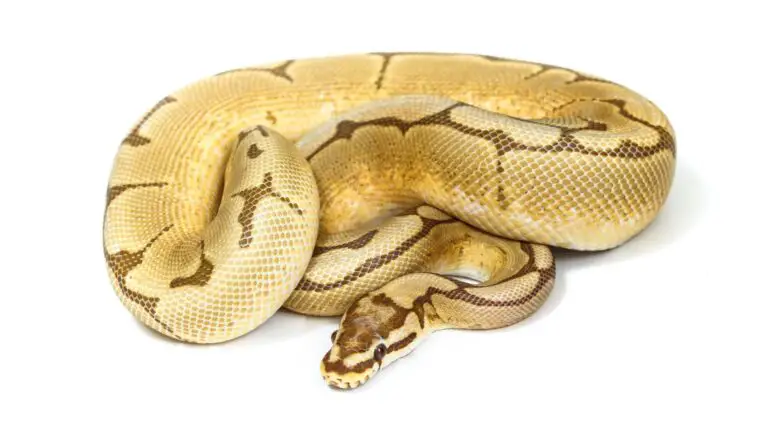
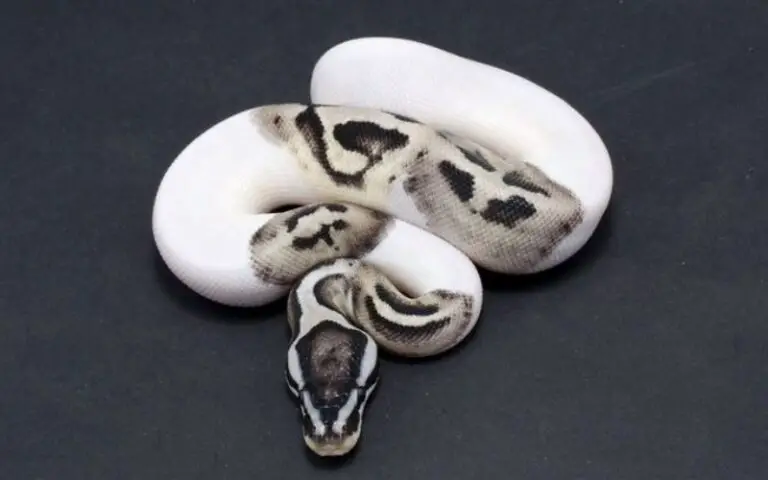
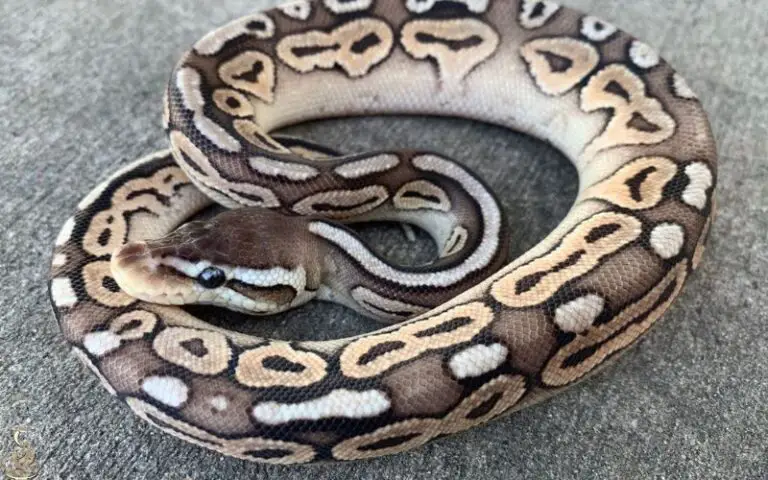
The ball python, or royal python, in the smallest of the African pythons. It’s typically docile nature has made it a popular pet in western countries. It only grows up to four feet, and in very rare cases can grow up to six feet. Ball pythons are quite stocky, however, and they can become quite heavy. They are black and brown, usually, with ones of gold. With the popularity of the ball python as a pet, unique color variations have become available as well.

Ball Python Pet Information

When getting a ball python as a pet, one must be aware of a couple of things. They live for over thirty years, so long term ownership should be expected. Also, you should consider buying only captive bred ball pythons. Wild caught ball pythons can give you numerous problems – illnesses, parasites, won’t eat, aggressiveness, etc. ↓ Read the rest of this entry…

 Comment 

What to Know About Sand Boas as Pets

by Randy Robinson on February 27th, 2013 at 7:10 am
Posted In: Caring for Reptiles, Reptile Info

Sand Boa

Description of the Kenyan Sand Boa

The Kenyan sand boa, the most common sand boa pet, is native to Northern Africa, and is commonly referred to as the Egyptian sand boa. It is a small size, compared to other boas, maxing out in length around three feet. Most are around two feet. They are generally yellow with brown spots, though color variations are available as this animal has become popular in the pet market.

Sand Boa as a Pet Information

Kenyan sand boas live up to 30 years, so be in it for the long haul if you’re interested in getting one. They are easy to care for, as even the full grown adults can be stored comfortably in habitats as small as 10 gallons tanks or perforated totes. Sand boas are burrowing creatures, so little is needed in the way of terrarium decoration. They will not climb on sticks. Keeping their habit secure is important, as they will probe for weaknesses.

↓ Read the rest of this entry…

 Comment 

Top 12 Best Amphibians Pets for Beginners

by Randy Robinson on February 20th, 2013 at 4:37 pm
Posted In: Buying Reptiles, Caring for Reptiles, Reptile Info

This guide will help a prospective amphibian owner choose the animal that is best for them. Amphibians are animals that live in both land and water, although some species of amphibians only live on one or the other for large portions of their lives. An owner of an amphibian should know what to feed it, how often to feed it and what temperatures their pet should be exposed to. The following are all great choices for someone’s first pet amphibian.

Please, Please always make sure you only buy amphibians which were born and raised in captivity to avoid extinction of these wonderful creatures. And never let one loose in the wild. They will not survive. Be responsible and find a good home for them.

African Dwarf Frog1. African Dwarf Frog

The African dwarf frog is a completely aquatic creature, although it does need to come up for air every so often. They are also nocturnal creatures, so expect them to be most lively in the evenings. African dwarf frogs are small, reaching about an inch and a half in length. They need about 2.5-3 gallons of fresh de-chlorinated water per frog, which should not exceed a depth of 1 foot. The water should be kept at 75-80 degrees fahrenheit. The tank does not need land areas, as the frogs live underwater. African dwarf frogs are very easy to care for, but they are a bit fragile and should not be handled out of the water. They need to be fed a diet of bloodworms and brine shrimp everyday. African dwarf frogs can be kept with other fish, although if the frog is big enough it will eat smaller fish.

↓ Read the rest of this entry…

 Comment 

Top 15 Best Reptile Pets for Beginners

by Randy Robinson on February 9th, 2013 at 10:27 pm
Posted In: Buying Reptiles, Caring for Reptiles, Reptile Info

Find the best reptiles for beginners to own as pets so you don’t get in over your head. Some may try to sell you popular but difficult reptiles. You should know the difference.

So we are expanding our article on the Top 4 Best Reptile Pets For Beginners to include 11 more of the best reptile pets for beginners by popular demand. What are the best reptiles for beginners to buy as pets? This list is here to help you narrow your search for your new pet. When selecting which species of reptile you would like to get, consider feeding habits, enclosure sizes and special heat and lighting needs that your prospective pet may need to live a healthy life. This list is organized from the top being the best of the best.

Refer to our How to Buy Your First Reptile Pet article if you are a beginner reptile owner looking to buy a new reptile pet. If you’re looking at buying a baby reptile, check out our How to Buy Baby Reptile Pets article.

 And please be responsible and only buy captive born reptiles and never release them into the wild! Find a great home for them if you are not able to keep them any longer.

So here’s the list starting with the fabulous Bearded Dragons.

1. Bearded Dragon

Bearded dragons are docile creatures that enjoy human contact. They are arguably the very best reptile pet for beginners. They are one of the most personable, friendly, tame, and interesting reptile pets. They love to hang out on your shoulder and their behaviors make them fascinating to watch.

They do have specific diet and environmental requirements so care should be taken. Bearded dragons are so named for their neck spines that flare out when they are agitated. They eat a mixed diet of

↓ Read the rest of this entry…

2 Comments

What to Know About Bearded Dragons as Pets

by Randy Robinson on January 31st, 2013 at 12:29 pm
Posted In: Caring for Reptiles, Reptile Info, Reptile Resources

Description of Bearded Dragons

Bearded dragons are native to the deserts and woodlands of central Australia. They are yellow and black, and have a series of spines under their chins. This darkens when the males are sexually active, and has become their namesake. Adults are typically 16-24 inches, and most of that is made up of the tail.

Pet Information on Bearded Dragons

Bearded dragons are very friendly, personable, tame, and interesting reptile pets. They bob their heads in a 

↓ Read the rest of this entry…

 Comment 

What To Know About Corn Snakes As Pets

by Randy Robinson on January 23rd, 2013 at 11:19 am
Posted In: Caring for Reptiles, Reptile Info, Reptile Resources

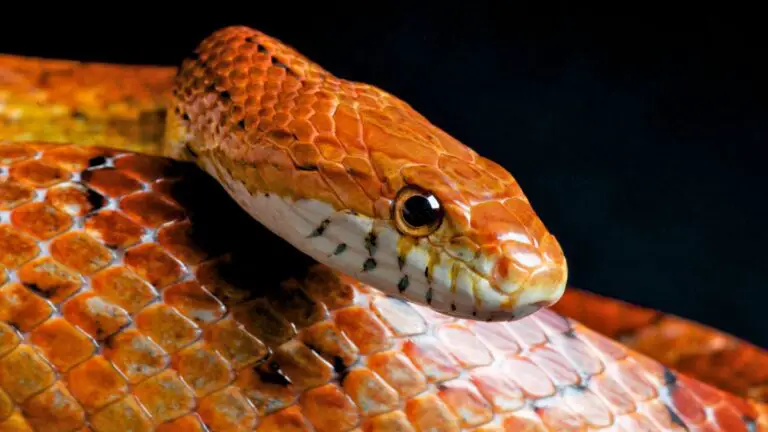
Corn SnakeDescription of a Corn Snake

Corn Snakes are generally a reddish amber color, complemented by sections of black. However, the corn snakes popularity as a pet has resulted in many color variations being available to a prospective owner. The corn snake is native to North America, and got its name because of its appetite for rats, which have an appetite for corn. Farmers would regularly find these snakes in their corn cribs, awaiting their next meal. They can grow up to six feet long.

Corn Snake Pet Information

↓ Read the rest of this entry…

 Comment 

What To Know About Leopard Geckos as Pets

by Randy Robinson on January 14th, 2013 at 1:38 pm
Posted In: Caring for Reptiles, Reptile Info, Reptile Resources

Leopard GeckoDescription of Leopard Geckos

Leopard geckos are ground dwelling lizards from the deserts of Asia and Pakistan. They are different from other geckos because they have moveable eyelids and no toe pads, meaning they cannot stick to surfaces the way other geckos do. They grow up to 11 inches long and have large, fat tails which they live off of during brumation. The natural coloring for these animals is yellow with black spots, but many color variations have developed as a result of their popularity in the pet market.

Leopard Gecko Pet Information

↓ Read the rest of this entry…

 Comment 

How to Clean Reptile Cages

by Amber on August 10th, 2012 at 7:07 pm
Posted In: Caring for Reptiles

How to Clean a Reptile Cage

Reptile CageCleaning and disinfecting reptile cages is something that most people really don’t talk about. When I first got into reptiles, I used to clean our snakes aquarium out in the bath tub with dish soap. I’ve learned a lot since then and I thought I should share some wonderful tips.

Reptiles are known to spread salmonella. We as adults are exposed to salmonella and many other harmful germs on a daily basis and for the most part our immune system will keep us safe.

However, if you have a small child or infant be very careful about contaminating anything that child will put in their mouths, including their hands. Salmonella is spread from the feces (poop) of reptiles but remember that reptiles are usually not as good as us about avoiding touching their own feces.

↓ Read the rest of this entry…

 Comment 
  • Page 1 of 3
  • 1
  • 2
  • 3
  • »

Connect With Us!

Follow @ReptilesHQ

Register for New Post Notifictions

  • Register
  • Recover password

Our Most Popular Posts

1. Top Four Best Reptile Pets for Beginners
2. Top Four Best Snake Pets for Beginners
3. Top 15 Best Reptile Pets for Beginners
4. What to Know about Crested Geckos as Pets
5. What To Know About Leopard Geckos As Pets
6. Snake Bites - What to Do When You are Bitten
7. How to Buy Your First Reptile

Categories

  • Buying Reptiles (10)
  • Caring for Reptiles (18)
  • Reptile Info (12)
  • Reptile Resources (6)

Recent Tweets

  • @nozboss beautiful I love how you captured the green eyes! 1 week ago
  • @andiiset cute little thing! 1 week ago
  • fb.me/23Bq9PN4T 2 weeks ago
  • How does ShipYourReptiles insurance work? - Ship Your Reptiles - Shipping & Tracking Questions fb.me/2Dp1c9LvX 2 weeks ago
  • fb.me/R3GJ3hNm 2 weeks ago
  • fb.me/BZMXatCY 2 weeks ago

Join us on Facebook

Buying Your First Reptile - Pet Store Reptiles - Privacy Policy

©0-2013 ReptilesHQ | Powered by WordPress with Easel | Subscribe: RSS | Back to Top ↑